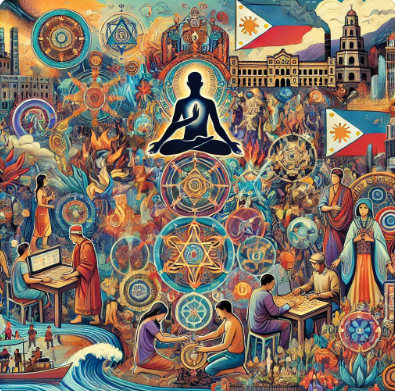
Nestled in the heart of Southeast Asia, the vibrant archipelago of the Philippines boasts a rich tapestry of cultures and histories, with Mindanao standing out as a beacon of ancient wisdom and traditions. For centuries, the indigenous peoples of Mindanao have cultivated a profound understanding of nature, community, and spirituality that continues to resonate today. As modern society grapples with rapid change and uncertainty, the timeless insights of the ancient Mindanaoans offer invaluable lessons that can guide us in our quest for balance and fulfillment. In this blog post, we will embark on a journey to uncover the secrets of these remarkable people, exploring their philosophies, practices, and values that emphasize harmony with the environment, respect for one another, and the importance of storytelling. Join us as we delve into the wisdom of the Mindanaoans, revealing how their ancient teachings can illuminate our present and inspire a brighter future for generations to come.
1. Introduction to Mindanao's Ancient Civilization
Mindanao, the second-largest island in the Philippines, is not just a geographical wonder; it is a treasure trove of ancient wisdom and cultural heritage that has shaped the lives of its inhabitants for centuries. The rich tapestry of Mindanao's ancient civilization is woven with the threads of diverse ethnic groups, each contributing its unique customs, traditions, and philosophies. From the indigenous Lumad communities to the influential Muslim sultanates, these cultures have thrived in harmony with the island’s lush landscapes and vibrant ecosystems.
As we embark on a journey to uncover the timeless wisdom of the ancient Mindanaoans, we delve into a world where spirituality, community, and nature were intricately intertwined. The ancient peoples of Mindanao held profound beliefs about the natural world, viewing it not merely as a resource but as a living entity deserving of respect and reverence. Their practices, whether in agriculture, healing, or governance, were rooted in a deep understanding of the cycles of life and the interconnectedness of all beings.
This introduction serves as a gateway to explore the lessons that can be gleaned from the Mindanaoans’ way of life. Their sustainable practices, communal values, and spiritual insights offer valuable guidance for navigating the challenges of modern existence. As we peel back the layers of history, we will discover how these ancient teachings resonate with contemporary issues, reminding us that the wisdom of the past can illuminate the path to a more harmonious and sustainable future. Join us as we unlock the secrets of the ancient Mindanaoans, and uncover the gems of wisdom that continue to inspire and guide us today and into tomorrow.
2. The Historical Context of the Ancient Mindanaoans
The ancient Mindanaoans, a diverse group of indigenous peoples, thrived in the lush landscapes and vibrant ecosystems of the southern Philippines long before the arrival of foreign colonizers. To truly appreciate their wisdom and cultural heritage, it’s essential to delve into the historical context that shaped their lives.
Emerging from a rich tapestry of influences, the Mindanaoans were not a monolithic group but comprised various ethnicities, each with its own unique customs, languages, and traditions. From the seafaring Maranao to the agricultural Higaonon, these communities developed intricate social structures, trade networks, and spiritual beliefs that reflected their intimate connection with the land and sea.
Historically, Mindanao was a melting pot of cultures, influenced by trade routes that connected it to neighboring regions, such as the Malay Archipelago and even distant civilizations like China and Arabia. This exchange fostered a spirit of resilience and adaptability among the ancient Mindanaoans, evident in their art, folklore, and communal practices. They mastered the art of weaving, metalwork, and boat-making, skills passed down through generations, which not only served practical purposes but also became a form of cultural expression.
Moreover, the arrival of Islam in the 14th century introduced new dimensions to Mindanaoan society, intertwining spiritual beliefs and practices that emphasized community and cooperation. The ancient Mindanaoans cultivated a deep respect for nature, often embodying this reverence in their rituals and storytelling. Their myths, steeped in symbolism, spoke of harmony with the environment, the importance of ancestral knowledge, and the interconnectedness of all living beings.
Understanding this historical context is crucial as it reveals not only the struggles and triumphs of the ancient Mindanaoans but also the timeless wisdom they impart. The lessons of sustainability, community, and resilience remain relevant today, urging us to reflect on our relationship with the earth and each other as we navigate the complexities of modern life. By unlocking the secrets of the ancient Mindanaoans, we not only honor their legacy but also glean insights that can guide us toward a more harmonious future.
3. Key Values and Beliefs of the Ancient Mindanaoans
The ancient Mindanaoans, a rich tapestry of diverse cultures and ethnicities, held a set of values and beliefs that were deeply intertwined with their way of life. These core principles not only guided their daily interactions but also shaped their understanding of the world around them.
At the heart of their belief system was a profound reverence for nature. The Mindanaoans viewed the natural world not merely as a resource to exploit but as a living entity deserving of respect and stewardship. This connection to the environment fostered a sustainable way of living, where harmony with nature was paramount. They believed that every mountain, river, and tree harbored spirits that required acknowledgment and care, a belief that has led to generations of environmental wisdom that we can learn from today.
Another fundamental value was the importance of community and kinship. The ancient Mindanaoans placed immense emphasis on their relationships with family and neighbors. The concept of ‘bayanihan’—the spirit of communal unity and cooperation—was central to their social fabric. This sense of belonging and mutual support created resilient communities where individuals worked together to face challenges, a lesson that resonates in today’s fragmented society.
Additionally, the ancient Mindanaoans held strong spiritual beliefs, often blending animism with the influences of later religions. They engaged in rituals and practices that honored their ancestors and sought guidance from the spiritual realm. This deep-rooted spirituality provided a sense of purpose and belonging, fostering a cultural identity that was both unique and rich. The values of respect, gratitude, and humility permeated their spiritual practices, reminding us that these qualities remain vital in the modern world.
Understanding these key values and beliefs of the ancient Mindanaoans not only sheds light on their cultural heritage but also offers timeless wisdom applicable to contemporary life. By embracing respect for nature, fostering community ties, and nurturing spiritual connections, we can navigate the complexities of today’s world while honoring the teachings of those who came before us. In a time when rapid change often leads to disconnection, the insights from the ancient Mindanaoans remind us of the enduring power of values that foster resilience, unity, and harmony.
4. Traditional Practices and Customs of Mindanao
The traditional practices and customs of the ancient Mindanaoans are rich tapestries woven with threads of spirituality, community, and sustainability. These practices have not only shaped their cultural identity but also offer timeless wisdom that resonates even in today’s rapidly changing world.
One of the most profound aspects of Mindanaoan culture is their deep connection to the land and nature. The ancient Mindanaoans understood the importance of living in harmony with the environment, practicing sustainable agriculture, and honoring natural resources. They employed techniques such as the ‘kaingin’ system, which involved rotational farming to prevent soil depletion, demonstrating an early understanding of ecological balance. This practice highlights the importance of stewardship over the land, a lesson that remains crucial as modern society grapples with environmental challenges.
Ceremonies and rituals play a pivotal role in Mindanaoan traditions, reflecting a profound respect for their ancestors and the spiritual world. Festivals, such as the Kadayawan in Davao, celebrate the bountiful harvest and honor the indigenous tribes of the region. These gatherings foster community spirit, bringing people together through music, dance, and a shared appreciation of their cultural heritage. Such customs remind us of the value of community bonds and collective identity, especially in an era where individualism often prevails.
The ancient Mindanaoans also practiced intricate craftsmanship, from weaving colorful textiles to crafting functional pottery and intricate jewelry. These artisanal skills were not merely for aesthetic value; they held cultural significance and were often linked to specific rituals or beliefs. The preservation of these crafts today serves as a beacon of cultural pride and a reminder of the creativity and resourcefulness inherent in Mindanaoan society.
In exploring these traditional practices and customs, we uncover pathways to a more sustainable and interconnected way of living. The ancient Mindanaoans’ respect for nature, commitment to community, and celebration of cultural heritage offer invaluable lessons for contemporary society. By embracing and honoring these timeless traditions, we can cultivate a deeper understanding of our place in the world and inspire future generations to cherish the wisdom of their ancestors.
5. The Role of Nature in Ancient Mindanaoan Wisdom
In the heart of Mindanao, the ancient inhabitants held a profound reverence for nature, viewing it not merely as a backdrop to their lives but as an integral partner in the dance of existence. The lush landscapes, diverse ecosystems, and vibrant flora and fauna played a pivotal role in shaping their beliefs, practices, and overall worldview. For the Mindanaoans, nature was a living entity, imbued with spirit and wisdom, guiding them in their daily pursuits and spiritual journeys.
From the towering mountains that kissed the sky to the meandering rivers that nourished their lands, every element of nature was steeped in symbolism and meaning. The ancients viewed the mountains as sacred sentinels, protectors of their communities, while rivers were seen as the lifeblood of their culture, providing sustenance and serving as pathways for trade and connection. This deep connection to the natural world fostered a sense of harmony and balance, as they understood that their well-being was intertwined with the health of their environment.
The ancient Mindanaoans practiced sustainable living, respecting the cycles of nature and employing techniques that ensured the longevity of their resources. They believed that taking care of the land would, in turn, take care of them. This philosophy is encapsulated in their traditional agricultural practices, which emphasized crop rotation and the use of natural fertilizers, allowing the earth to replenish itself while providing bountiful harvests. Their understanding of the land and its rhythms was not just practical but also spiritual, as they often held rituals to honor the earth and its gifts.
Moreover, the wisdom of the Mindanaoans extended into the realm of healing, drawing on the rich medicinal properties of the plants surrounding them. Shamans and healers wielded knowledge passed down through generations, using herbs and plants not only to treat ailments but also to connect with the spiritual realm. This holistic approach to health underscored a fundamental truth: that well-being is a balance of mind, body, and spirit, intricately linked to the natural world.
In today's fast-paced, technology-driven society, the lessons gleaned from ancient Mindanaoan wisdom resonate more than ever. As we grapple with environmental challenges and seek sustainable solutions, looking back to the harmonious relationship these ancients nurtured with nature can inspire a renewed commitment to stewardship and respect for our planet. By embracing this timeless wisdom, we can cultivate a deeper understanding of our place within the natural world and work towards a future where both humanity and nature thrive in unity.
6. Art and Artistic Expression: A Window into Ancient Mindanaoan Society
Art and artistic expression serve as pivotal windows into the rich tapestry of ancient Mindanaoan society, revealing the values, beliefs, and daily lives of its people. From the intricate patterns adorning traditional textiles to the vibrant colors of their handwoven crafts, each piece carries a story—a legacy passed down through generations that reflects the harmony between nature and culture.
The art of the Mindanaoans is deeply intertwined with their spiritual beliefs and communal life. Traditional crafts such as weaving, metalwork, and pottery were not merely functional; they were infused with meaning and purpose. For instance, the elaborate designs found in the woven cloth known as "tinalak" embody the dreams and aspirations of the weavers, often inspired by the natural world around them. Each motif speaks of ancestral knowledge, connecting the present with the past and bridging the gap between generations.
Sculpture and carving also played a significant role in artistic expression. The skilled artisans of Mindanao created stunning figures and totems that served both decorative and spiritual purposes, often depicting deities, ancestors, and mythical creatures. These artworks were not just objects of beauty; they were imbued with cultural significance, serving as focal points for rituals and communal gatherings.
Moreover, the dance and music of ancient Mindanaoans further illustrate the importance of art in their society. Traditional performances, characterized by rhythmic movements and melodious chants, were essential for storytelling and preserving history. The vibrant sounds of indigenous instruments like the kulintang resonate with the heartbeat of the community, echoing tales of triumph, sorrow, and celebration.
In today's fast-paced world, the art of the ancient Mindanaoans offers timeless wisdom. It teaches us the importance of connection—to our roots, to each other, and to the environment. By embracing and preserving these artistic traditions, we not only honor the legacy of the Mindanaoans but also foster a deeper understanding of ourselves and the world around us. As we explore their artistry, we unlock secrets that continue to inspire and resonate, reminding us that creativity is not just an expression but a vital component of our humanity.
7. Lessons from Ancient Mindanaoan Leadership and Governance
The ancient Mindanaoans exemplified a rich tapestry of leadership and governance that resonates with modern principles of community, cooperation, and respect for diversity. Their systems were not merely hierarchical structures but rather dynamic networks where local leaders, known as "datus," played pivotal roles in fostering harmony and collaboration among their people.
One of the most striking lessons from this era is the emphasis on communal decision-making. Unlike the authoritarian models that often dominate contemporary governance, Mindanaoan leaders prioritized consensus-building. They held regular gatherings where community members shared their views, ensuring that every voice was heard. This practice not only cultivated a sense of ownership and responsibility among the populace but also strengthened community bonds. Today, this ancient wisdom can guide modern leaders in creating inclusive environments where diverse perspectives are valued.
Furthermore, the ancient Mindanaoans demonstrated a profound respect for the natural world, integrating environmental stewardship into their governance. Their spiritual beliefs intertwined with their governance practices, emphasizing that the land and its resources were sacred. This holistic approach prompts today’s leaders to consider sustainability and ecological balance in their decision-making processes, advocating for policies that protect the environment for future generations.
Additionally, the Mindanaoans showcased resilience in the face of adversity. Their ability to adapt to changing circumstances—be it through trade, conflict, or environmental challenges—teaches us the importance of flexibility and innovation in leadership. As we navigate the complexities of the modern world, embracing adaptability can empower us to overcome obstacles and seize opportunities.
Incorporating these timeless lessons from ancient Mindanaoan leadership into contemporary practices can create a more equitable, sustainable, and resilient society. By honoring the wisdom of the past, we not only enrich our present but also lay a solid foundation for future generations.
8. Proverbs and Folklore: Timeless Wisdom Passed Down
The rich tapestry of Mindanaoan culture is woven together by a treasure trove of proverbs and folklore, encapsulating the timeless wisdom of generations past. These age-old sayings and stories serve not only as moral compasses but also as reflections of the values, beliefs, and experiences of the Mindanaoan people. From the vibrant tales of mythical creatures that roam the forests to the poignant proverbs that echo the importance of community and respect for nature, each narrative is steeped in lessons that remain relevant today.
For instance, a common Mindanaoan proverb states, "Ang hindi marunong lumingon sa pinanggalingan ay hindi makararating sa paroroonan," which translates to "He who does not know how to look back at where he came from will never get to where he is going." This profound insight encourages us to honor our roots and acknowledge the lessons learned from our past, reinforcing the idea that understanding our history is crucial for personal growth and future success.
Folklore in Mindanao is equally rich, often featuring characters that embody virtues such as bravery, kindness, and wisdom—qualities that are desperately needed in our modern world. Stories like that of the legendary hero, Lam-ang, or the enchanting tales of the diwata (fairies) remind us of the importance of courage in the face of adversity and the value of empathy toward others. Each tale is imbued with lessons about resilience, community, and connection to the natural world, urging us to reflect on our own lives and the legacy we wish to leave behind.
As we dive deeper into the wisdom of the ancient Mindanaoans, we uncover not just a glimpse into their world, but also a roadmap for navigating our own. By embracing these proverbs and folklore, we can cultivate a mindset that honors tradition while adapting to the ever-evolving challenges of today. Their wisdom serves as a beacon, guiding us toward a future that is not only grounded in our heritage but also enriched by the lessons of those who came before us.
9. The Importance of Community and Family in Mindanaoan Culture
The Mindanaoan culture is intricately woven with the threads of community and family, forming a rich tapestry that has stood the test of time. For the ancient Mindanaoans, the concept of ‘bayanihan’—a spirit of communal unity and cooperation—was not just a principle but a way of life. This ethos remains relevant today, emphasizing the significance of collective effort and support among families and communities.
In traditional Mindanaoan society, family structures extend beyond the nuclear family to encompass a broader network of relatives and close friends, creating a robust support system. Elders are revered, often serving as the keepers of wisdom and tradition, guiding younger generations with their experiences and teachings. Community gatherings, whether for celebrations, rituals, or problem-solving, foster a deep sense of belonging and interconnectedness, reinforcing the idea that no one faces their struggles alone.
The importance of community in Mindanaoan culture is also evident in the way resources and responsibilities are shared. From agricultural practices to communal events, collaboration enhances productivity and strengthens relationships. This spirit of togetherness not only nurtures individual growth but also contributes to the resilience and sustainability of the community as a whole.
For today’s world, where individualism often takes precedence, the Mindanaoan emphasis on community and family offers a refreshing perspective. It serves as a reminder that fostering relationships and working together can lead to greater harmony and success. By embracing these timeless values, we can cultivate stronger bonds within our own communities, ensuring that the wisdom of the ancient Mindanaoans continues to resonate in our lives for generations to come.
10. Ancient Mindanaoan Innovations in Agriculture and Sustainability
The ancient Mindanaoans were not just skilled artisans and warriors; they were also pioneers of sustainable agriculture, innovating techniques that harmonized with the rich biodiversity of their lush landscapes. Long before modern sustainability became a buzzword, these indigenous peoples demonstrated an innate understanding of ecological balance, evolving agricultural practices that respected the land and its resources.
One of the most notable innovations was the use of **swidden agriculture**, commonly known as slash-and-burn farming. This method allowed them to clear sections of forest for cultivation while nurturing the soil's fertility through controlled burning. The ashes from the burned vegetation enriched the earth, promoting healthy crop yields without the detrimental effects of long-term land degradation. By rotating fields and giving land time to recover, the Mindanaoans ensured a continuous cycle of productivity and sustainability.
Additionally, they practiced **intercropping**, a technique that involved growing multiple crops in proximity to benefit from their differing nutrient needs and pest deterrent properties. For instance, planting rice alongside legumes not only maximized space but also enhanced soil nitrogen levels, leading to healthier harvests. This method reflects a sophisticated understanding of companion planting, a practice that modern organic farmers are only beginning to fully embrace.
The ancient Mindanaoans also excelled in the use of **indigenous seeds** and heirloom varieties. By selecting and saving seeds from the best-performing plants, they created resilient crops well-suited to local conditions, ensuring food security even in the face of climate variability. This seed-saving practice is a key lesson for contemporary agriculture, reminding us of the importance of biodiversity and genetic variety in our food systems.
Moreover, their traditional **fishing and aquaculture techniques**, such as the use of fish traps and sustainable fishing practices, showcased their deep respect for marine ecosystems. By understanding fish behavior and seasonal cycles, the Mindanaoans practiced fishing in a way that allowed fish populations to replenish, thereby safeguarding their livelihoods for future generations.
Incorporating these ancient practices into today’s agricultural frameworks offers a pathway toward greater sustainability. As we face pressing challenges like climate change and food insecurity, the timeless wisdom of the Mindanaoans serves as a reminder that innovation can arise from a deep connection to our environment. By looking back at these ancient techniques, we can cultivate a more sustainable future that honors both the land and our communities.
11. How Ancient Mindanaoan Wisdom Addresses Modern Challenges
The wisdom of the ancient Mindanaoans, deeply rooted in their connection to the land, community, and spirituality, offers valuable insights that resonate profoundly with today’s challenges. As we navigate an increasingly complex world marked by environmental degradation, social disconnection, and cultural upheaval, the teachings of these early inhabitants remind us of the importance of balance, sustainability, and community resilience.
One of the core principles embedded in Mindanaoan culture is the concept of "kapwa," or shared identity. This notion emphasizes interconnectedness and mutual respect, encouraging individuals to view themselves as part of a larger community rather than as isolated entities. In an age where social media often fosters superficial connections, rekindling this sense of community can help combat feelings of loneliness and alienation, reminding us that we are all in this together.
Moreover, the ancient Mindanaoans possessed a profound understanding of the natural world, practicing sustainable agriculture and resource management long before these concepts became buzzwords in modern discourse. Their practices, such as rotational farming and agroforestry, serve as models for contemporary environmental stewardship. By embracing sustainable practices inspired by this ancient wisdom, we can address pressing issues like climate change and food security.
Additionally, the emphasis on oral tradition among the Mindanaoans highlights the importance of storytelling as a means of preserving culture and imparting knowledge. In today's fast-paced world, where information is often consumed in bite-sized pieces, the power of storytelling can be a transformative tool. It fosters empathy, understanding, and cultural appreciation, bridging gaps between generations and diverse communities.
Ultimately, the ancient wisdom of the Mindanaoans is not just a relic of the past; it is a treasure trove of lessons that can guide us through modern challenges. By integrating their principles into our daily lives, we can cultivate a more harmonious relationship with ourselves, our communities, and the environment, ensuring a brighter and more sustainable future for generations to come.
12. Preserving and Reviving Mindanao's Cultural Heritage
Preserving and reviving Mindanao's cultural heritage is not merely an act of nostalgia; it is a vital endeavor that enriches our collective identity and strengthens the fabric of contemporary society. The diverse tapestry of Mindanao's indigenous cultures, from the vibrant traditions of the Lumad to the rich histories of the Moro people, offers invaluable lessons and insights that remain relevant even in our fast-paced, modern world.
At the heart of this preservation effort is a commitment to education and awareness. By integrating traditional practices, languages, and stories into educational curricula, we can cultivate a newfound appreciation among younger generations for their roots. Workshops and cultural festivals serve as platforms where skills such as weaving, traditional dance, and indigenous storytelling are shared and celebrated, ensuring that these practices do not fade into obscurity.
Moreover, collaboration with local communities is essential. Ethnographic studies and oral histories should be prioritized to document the rich narratives that have shaped Mindanao’s cultural landscape. By involving the very people whose traditions are at stake, we ensure that the revival efforts are authentic, respectful, and sensitive to the needs and aspirations of the community.
In this digital age, technology can play a pivotal role in heritage preservation. Virtual reality experiences, digital archives, and social media campaigns can help showcase Mindanao's cultural richness to a global audience, sparking interest and investment in its preservation. By leveraging modern tools while honoring ancient practices, we can create a dynamic dialogue between the past and the present.
Ultimately, preserving and reviving Mindanao’s cultural heritage is not just about maintaining traditions; it is about empowering communities, fostering pride in identity, and creating a sustainable future that honors the wisdom of our ancestors while inspiring innovation and growth. In doing so, we unlock the timeless secrets of the ancient Mindanaoans, ensuring their legacy continues to illuminate the path for generations to come.
13. Interpreting Ancient Wisdom for Today's Society
Interpreting ancient wisdom for today’s society offers a fascinating lens through which we can examine our contemporary challenges and lifestyles. The ancient Mindanaoans, with their rich tapestry of culture, spirituality, and community values, provide profound insights that resonate even in our fast-paced, technology-driven world.
At the heart of their teachings is the concept of *bayanihan*, a spirit of communal unity and cooperation. In a society often marked by individualism, the ancient Mindanaoans remind us of the importance of collaboration and support within our communities. This can be applied to modern social dynamics, encouraging us to foster connections and work together towards common goals, whether in local neighborhoods or global movements.
Moreover, the reverence for nature held by the Mindanaoans is a clarion call for sustainable living today. Their understanding of the intricate balance between humanity and the environment serves as a poignant reminder of our responsibility to protect the earth. As climate change and environmental degradation become pressing issues, we can draw from their practices of sustainable agriculture, resource management, and deep respect for the natural world.
The ancient art of storytelling also plays a significant role in preserving the values and lessons of the Mindanaoans. In today’s digital age, where attention spans are fleeting, the power of narrative remains a compelling tool for connection and education. By sharing stories that encapsulate their wisdom, we can bridge generational gaps and foster a deeper understanding of our shared humanity.
In essence, the ancient wisdom of the Mindanaoans is not just a relic of the past; it is a wellspring of knowledge that can guide us as we navigate the complexities of modern life. By embracing their teachings, we can cultivate a society that values community, respects nature, and honors the timeless art of storytelling, ultimately creating a more harmonious world for future generations.
14. Personal Reflections: Applying Mindanaoan Principles in Daily Life
As we journey through the vibrant tapestry of Mindanaoan wisdom, it becomes increasingly clear that these age-old principles hold remarkable relevance in our modern lives. The teachings of the ancient Mindanaoans transcend time, offering guidance that can enhance our daily experiences and foster deeper connections with ourselves, our communities, and the natural world around us.
One of the most profound lessons from the Mindanaoan culture is the importance of *Bayanihan*, or communal unity. This principle encourages us to collaborate and support one another in both personal and professional endeavors. By applying *Bayanihan* in our daily lives, we can create a sense of belonging and shared purpose, fostering stronger relationships with our friends, family, and colleagues. Imagine the impact of a supportive network, where everyone contributes their strengths for the greater good—this is the essence of *Bayanihan*.
Additionally, the ancient Mindanaoans revered nature, understanding that humans are intrinsically woven into the fabric of the environment. This respect for the land urges us to adopt sustainable practices in our daily lives. Simple acts, such as reducing waste, conserving water, and supporting local agriculture, not only honor this principle but also cultivate a harmonious relationship with our surroundings. By appreciating the resources provided by nature, we can lead more mindful and intentional lives.
Another key aspect of Mindanaoan wisdom is the concept of resilience. The history of the Mindanaoans is filled with challenges, yet their ability to adapt and persevere is a testament to their strength. In applying this principle to our own lives, we can embrace challenges as opportunities for growth. Whether facing personal setbacks or professional hurdles, the Mindanaoan spirit of resilience encourages us to rise and learn from our experiences.
Incorporating these Mindanaoan principles into our daily routines invites us to live with greater intention and purpose. It creates a ripple effect, inspiring not only personal transformation but also fostering a collective movement towards a more compassionate and interconnected world. As we reflect on the teachings of the ancient Mindanaoans, let us embrace their timeless wisdom, allowing it to guide us in our journey today and shape a brighter tomorrow.
15. Conclusion: Bridging the Ancient and the Modern for a Better Future
In conclusion, the wisdom of the ancient Mindanaoans serves as a profound reminder of the interconnectedness of our past, present, and future. These indigenous teachings, deeply rooted in a respect for nature, community, and sustainability, offer invaluable insights that can guide us toward a better tomorrow. As we navigate the complexities of modern life, it is essential to recognize that the lessons learned from our ancestors are not mere relics of history; they are living principles that can inform our actions today.
By embracing the holistic approach of the Mindanaoans—who viewed the earth as a shared home and each person as an integral part of a greater whole—we can cultivate a sense of responsibility towards our environment and each other. This perspective encourages us to prioritize sustainability, nurture our communities, and honor the rich tapestry of cultural heritage that shapes our identities.
As we stand at the crossroads of tradition and innovation, let us draw inspiration from the ancient Mindanaoans to create a future that not only respects our roots but also paves the way for generations to come. By bridging the ancient wisdom with modern practices, we can foster a society that values harmony, resilience, and compassion in the face of contemporary challenges. In doing so, we can ensure that the timeless teachings of the Mindanaoans continue to resonate, guiding us toward a more equitable and sustainable world for all.
In conclusion, exploring the rich heritage of the ancient Mindanaoans offers us invaluable insights that resonate profoundly in our contemporary lives. Their timeless wisdom, rooted in resilience, community, and a deep connection to nature, serves as a guiding light in navigating the complexities of today’s world. As we reflect on the lessons learned from their traditions and practices, we are reminded of the importance of preserving cultural legacies while adapting them to modern challenges. By embracing these teachings, we can foster a more harmonious existence, not only for ourselves but for future generations. We encourage you to delve deeper into the history and philosophies of the Mindanaoan people, allowing their ancient wisdom to inspire your journey today and tomorrow. Thank you for joining us in this exploration, and we look forward to your thoughts and reflections on how these lessons can shape a brighter future.